HOW TO USE THE DICTIONARY
To look up an entry in The American Heritage Dictionary of the English Language, use the search window above. For best results, after typing in the word, click on the “Search” button instead of using the “enter” key.
Some compound words (like bus rapid transit, dog whistle, or identity theft) don’t appear on the drop-down list when you type them in the search bar. For best results with compound words, place a quotation mark before the compound word in the search window.
THE USAGE PANEL
The Usage Panel is a group of nearly 200 prominent scholars, creative writers, journalists, diplomats, and others in occupations requiring mastery of language. Annual surveys have gauged the acceptability of particular usages and grammatical constructions.

AMERICAN HERITAGE DICTIONARY APP
The new American Heritage Dictionary app is now available for iOS and Android.

THE AMERICAN HERITAGE DICTIONARY BLOG
The articles in our blog examine new words, revised definitions, interesting images from the fifth edition, discussions of usage, and more.

INTERESTED IN DICTIONARIES?
Check out the Dictionary Society of North America at http://www.dictionarysociety.com

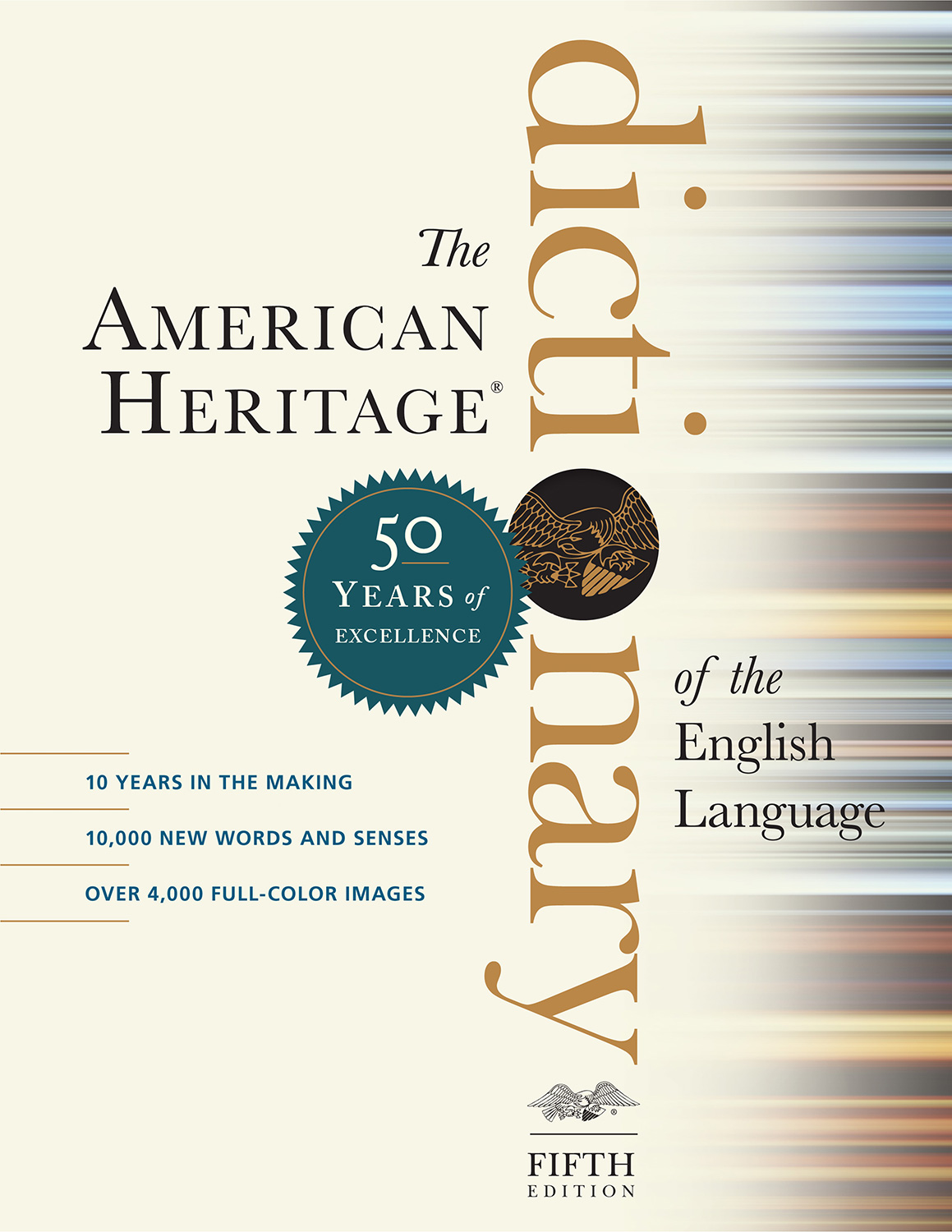
The American Heritage® Dictionary of the English Language, Fifth Edition copyright ©2022 by HarperCollins Publishers. All rights reserved.
n. 1. a. A rapid, persistent chemical change that releases heat and light and is accompanied by flame, especially the exothermic oxidation of a combustible substance: destruction by fire. b. A specific instance of this change that destroys something: a house fire. c. A burning fuel: a cooking fire. 2. Burning intensity of feeling; ardor or enthusiasm: a musical performance that had fire. See Synonyms at passion. 3. Luminosity or brilliance, as of a cut and polished gemstone. 4. Liveliness and vivacity of imagination; brilliance: the fire of an artistic genius. 5. A severe test; a trial or torment: went through fire to become a leader. 6. A fever or bodily inflammation: tormented by the fire in an infected toe. 7. a. The discharge of firearms or artillery: heard the fire of cannon. b. The launching of a missile, rocket, or similar ballistic body. c. Discharged bullets or other projectiles: subjected enemy positions to heavy mortar fire; struck by rifle fire. 8. Intense, repeated attack or criticism: answered the fire from her political critics. v. fired, fir·ing, fires v.tr. 1. a. To cause to burn; ignite or set fire to: fired the enemy's encampment. b. To illuminate or cause to resemble fire, as in color: The morning sun fired the tops of the trees. 2. a. To start (a fuel-burning engine or a vehicle with such an engine). Often used with up. b. To start or tend a fire in: fire a furnace. 3. a. To arouse the emotions of; make enthusiastic or ardent. Often used with up: demonstrators who were fired up by their sense of injustice. b. To inspire or arouse (an emotion or the imagination). 4. To bake or dry by heating, as in a kiln: fire pottery. 5. a. To discharge (a firearm, for example). b. To detonate (an explosive). 6. a. To propel (a projectile) from a weapon or launch (a missile): fired several rounds before the gun jammed. b. Informal To throw or propel with force and speed: fire a ball at a batter; fire a puck at the goal. c. To utter or direct with insistence: fired questions at the senator. 7. Games To score (a number) in a game or contest: The golfer fired a 35 on the front nine. 8. To end the employment or service of; dismiss. See Synonyms at dismiss. v.intr. Phrasal Verbs: 1. To become ignited; flame up: wet kindling that just wouldn't fire. 2. a. To shoot a weapon: aimed and fired at the target. b. To detonate an explosive. c. To ignite fuel; start: The engine fired right away. 3. a. To send out a projectile; discharge: The cannons fired for hours. b. To propel or hurl a projectile: The pitcher wound up and fired. 4. Physiology To generate an electrical impulse. Used of a neuron. 5. To become yellowed or brown before reaching maturity, as grain. fire away Informal To start to talk or ask questions. fire off 1. To utter or ask rapidly. 2. To write and send (a letter, for example) in haste. fire up Idioms: 1. To cause to be ignited or to produce fire: fire up a cigar; fire up the grill. 2. To cause to become excited or emotional: a speech that fired up the crowd. 3. To bring to activity; start: Fire up the stereo! between two fires Being attacked from two sources or sides simultaneously. on fire 1. Ignited; ablaze. 2. Filled with enthusiasm or excitement. start/light/build a fire under Slang To urge or goad to action. under fire 1. Exposed or subjected to enemy attack. 2. Exposed or subjected to critical attack or censure: an official who was under fire for mismanagement. firea·ble adj. firer n. Word History: Indo-European, the protolanguage from which English and many other languages descend, had pairs of words for some very common things, such as water or fire. Typically, one word in the pair was active, animate, and personified; the other, impersonal and neuter in grammatical gender. In the case of the pair of words for "fire," English has descendants of both, one inherited directly from Germanic, the other borrowed from Latin. Fire goes back to the neuter member of the pair. In Old English "fire" was fȳr, from Germanic *fūr. The Indo-European form behind *fūr is *pūr, whence also the Greek neuter noun pūr, the source of the prefix pyro-. The other Indo-European word for fire appears in ignite, derived from the Latin word for fire, ignis, from Indo-European *egnis. The Russian word for fire, ogon' (stem form ogn-), and the Sanskrit agni-, "fire" (deified as Agni, the god of fire), also come from *egnis, the active, animate, and personified word for fire. |
The American Heritage® Dictionary of the English Language, Fifth Edition copyright ©2022 by HarperCollins Publishers. All rights reserved.